


Challenges and interests in WNBA collective bargaining talks.


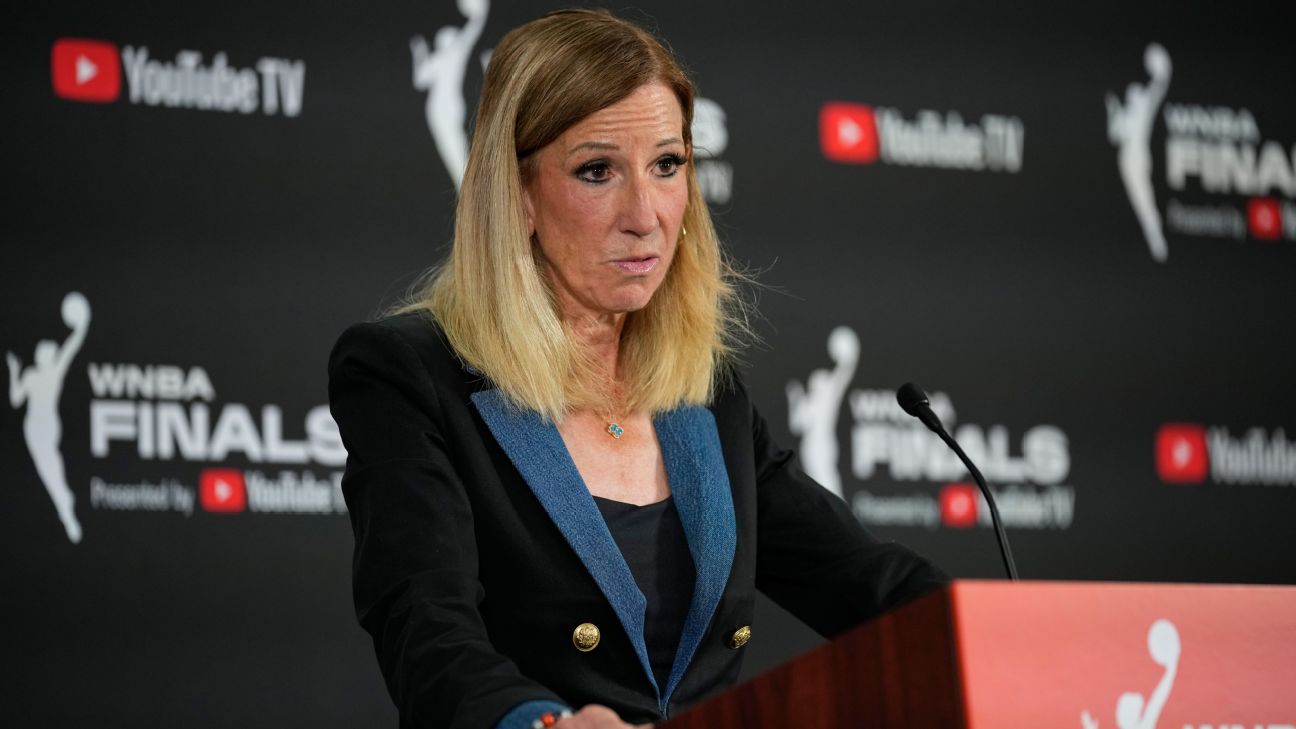
When it comes to labor negotiations, management often gets labeled as the "heavy" or "bad guy." However, in the current WNBA collective bargaining process, league officials like NBA commissioner Adam Silver and WNBA commissioner Cathy Engelbert along with team owners are emphasizing a shared goal of league growth and player prosperity.
On the players' side, the association has been bold in seeking public support and criticizing the league's tactics, with Minnesota Lynx's Napheesa Collier targeting Engelbert's leadership directly.
Recently, the league has started pushing back on some union claims, citing the league's financial upswing with rising franchise values and a new TV deal starting in 2026. The aim from the management's viewpoint is to sustain financial growth for profitability while ensuring players benefit as key contributors.
The original October 31 CBA deadline for the WNBA was extended to the end of November. Now, midway through negotiations, the focus shifts to examining the situation from the management's perspective.

WNBA commissioner Cathy Engelbert
In July 2019, Engelbert took the reins as WNBA commissioner during the previous CBA talks. Fast forward six years, and she's overseen a period of remarkable growth including a $2.2 billion media deal and expanding the league to 18 teams by 2030. However, her recent tenure saw turbulence with playoff officiating controversies and public criticisms.
Engelbert now faces the task of securing a deal that significantly boosts player compensation while attracting continued owner investment. Her future as commissioner post-deal remains uncertain, with her commitment evident amid challenges to her leadership.
NBA commissioner Adam Silver
Silver, involved with the NBA since 1992, has a keen interest in the WNBA's financial progress. His goal, akin to his predecessor, is to establish the WNBA as a financially independent entity under the NBA umbrella, potentially impacting his legacy with the women's league.
There's a delicate dynamic between Silver and Engelbert, especially with more NBA interests in the WNBA. Issues like the Connecticut Sun's situation test their collaboration, emphasizing the significance of this CBA in defining Silver's WNBA legacy.
Billionaire owners
Within the WNBA ownership landscape, notable disparities exist between millionaire and billionaire owners. The latter group, including names like Joe Tsai and Mark Davis, demonstrate a willingness to invest significantly for long-term returns, viewing the WNBA as a lucrative venture.
These owners, who often own NBA teams as well, are inclined to share more revenue with players, confident in continued returns from various streams, indicating a business-centric approach to the league.
Independent owners
Independent owners played a vital role in sustaining the WNBA in its earlier years amid NBA disinterest. However, their influence has waned with NBA owners recognizing the women's league's financial potential, evident in expansion bid complexities. While focused on financial stability, these owners strive to maintain competitive balance.
Yet, investments like the Storm's state-of-the-art practice facility underscore their commitment to league growth and sustainability.
Expansion teams: Portland Fire, Toronto Tempo, Detroit, Cleveland, Philadelphia
The influx of expansion teams signals a positive growth trajectory for the WNBA, with enhanced investor interest. The upcoming CBA holds significance for newcomers like the Portland Fire and Toronto Tempo as they eagerly await draft rules for building competitive rosters.
Notable fees paid by new owners highlight the league's attractiveness as an investment opportunity, underlining the impact of the impending CBA on shaping the WNBA's future.
General managers
While not directly part of negotiations, general managers closely monitor CBA decisions impacting roster building and financial allocations. The upcoming CBA could offer greater flexibility for GMs, crucial for navigating the league's intricacies like the hard salary cap.
With expansion drafts looming, GMs seek clarity on roster protection rules, essential for strategic team development amid evolving league dynamics.
Coaches
Coaches like Cheryl Reeve, Sandy Brondello, and Becky Hammon advocate for player empowerment and league stability. Despite not directly negotiating, they are deeply invested in the CBA's outcome, which could influence job dynamics and league advancements.
Their shared goal is to see the WNBA thrive both financially and competitively, a testament to their unwavering commitment to women's basketball's growth and success.